
What Is SDG 10 and Why It Matters
Sustainable Development Goal 10 aims to reduce inequality within and among countries, emphasizing the need for inclusive growth, equal opportunities, and access to essential services. This goal is crucial for building a more equitable world, where social, economic, and political systems benefit all people, especially those who are most vulnerable.
Inequality, particularly in regions such as Sub-Saharan Africa, continues to be a significant barrier to global progress. According to the MDG Report 2015, while Sub-Saharan Africa has made strides in certain areas such as health and education, challenges like poverty, lack of access to basic services, and economic disparity persist. Achieving SDG 10 is essential to ensuring that no one is left behind as we work toward a more sustainable and just future.
Marketing plays a vital role in this transformation. Through strategic communication and brand positioning, businesses can drive social change, challenge systemic inequalities, and empower communities that have long been marginalized. Here’s how marketing can make a significant impact in reducing inequality.
Quick Overview: The Importance of SDG 10
•Goal: Reduce inequality within and among countries, particularly in marginalized regions.
•Target Areas: Equal access to education, health, income opportunities, and social protection.
•Why It’s Urgent: In regions like Sub-Saharan Africa, inequality remains a major roadblock. Challenges such as poverty, lack of access to sanitation, and limited educational opportunities require immediate attention to ensure sustainable, inclusive development.
Marketing as a Driver of Change: Empowering Communities and Reducing Inequality
Marketing is often seen as a tool for growth and profit, but it can also be a powerful vehicle for societal change. By focusing on inclusion, highlighting challenges faced by vulnerable communities, and supporting initiatives that address these disparities, businesses can contribute to reducing inequality.
Here’s how businesses can use marketing to address SDG 10:
1. Supporting Vulnerable Communities Through Awareness and Education
Marketing has the power to raise awareness about the challenges faced by marginalized communities, particularly in developing countries. By showcasing these issues through campaigns, businesses can bring attention to the need for greater resources, equal opportunities, and systemic change.
Real-World Example:
Unilever, a company that has long championed sustainability and social responsibility, uses its marketing platform to raise awareness about inequality and poverty. With campaigns such as “Sustainable Living Plan,” Unilever has worked to ensure that its products and services are accessible to all, particularly in underserved communities. For example, through its health and hygiene products, Unilever has targeted communities in Sub-Saharan Africa and other regions, promoting better sanitation and hygiene practices, which directly contribute to reducing inequalities in health.
2. Encouraging Consumer Choice That Supports Fair Trade and Equal Access
By making consumers aware of the social and environmental impact of their purchasing decisions, marketing can drive demand for products and services that promote fairness, equality, and sustainability.
Real-World Example:
Ben & Jerry’s, known for its commitment to social justice, has integrated advocacy for equality into its brand identity. The company uses its marketing campaigns to support causes such as racial justice, climate action, and LGBTQ+ rights. By focusing on ethical sourcing and supporting communities through Fairtrade certification, Ben & Jerry’s not only provides a quality product but also educates consumers about the importance of supporting businesses that contribute to reducing inequality. Their campaigns often highlight how consumer choices can contribute to global fairness and equity.
3. Advocating for Policy Change and Corporate Responsibility
Beyond product-based initiatives, marketing can amplify advocacy efforts aimed at influencing policy changes that reduce inequality. By using their platform to support causes and highlight inequities, businesses can advocate for systemic reforms and encourage other corporations and governments to take action.
Alcor’s Approach:
At Alcor Media, we believe in marketing that goes beyond mere branding and profit-making. Our campaigns often include a focus on policy advocacy, especially in areas such as education, health, and infrastructure development. For businesses looking to reduce inequality through their marketing efforts, supporting initiatives that call for government action and corporate responsibility is essential. Through strategic partnerships with non-profits, our work helps elevate the voices of those who are most affected by systemic inequality.
What Can Small Businesses Do?
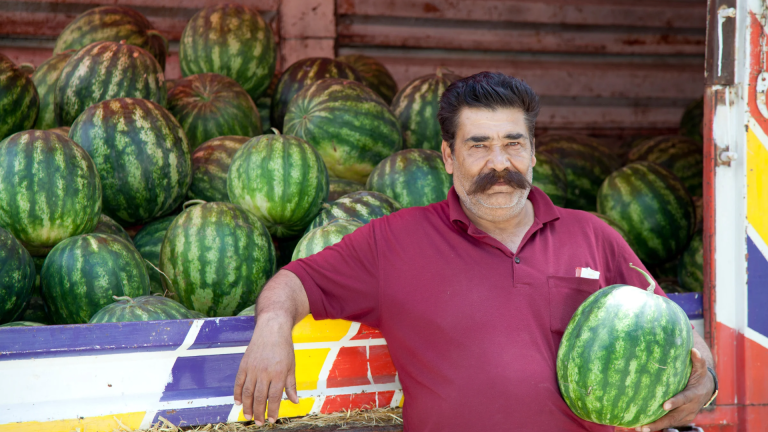
Small businesses may have fewer resources than global corporations, but they can still contribute to SDG 10 through thoughtful marketing strategies:
•Promote Fair Trade Products: Choose to work with suppliers who uphold fair wages and sustainable practices.
•Support Local Communities: Use marketing to promote products or services that help local communities, such as those providing employment to marginalized groups.
•Raise Awareness: Use social media and other platforms to share stories about inequality and promote actions that can help reduce disparities.
Redefining Success in Marketing
At Alcor Media, we redefine marketing success. It’s not just about the bottom line—it’s about creating value for society, challenging inequality, and promoting inclusivity. As we work toward SDG 10, we encourage brands to focus on:
•How can your marketing initiatives contribute to reducing inequality in the communities you serve?
•What role does your company play in promoting equal access to resources, education, and healthcare?
•Can your marketing campaigns influence positive changes in policy and societal attitudes toward inequality?
The Power of Marketing to Reduce Inequality
As businesses continue to grow and evolve, they must recognize the opportunity they have to reduce inequality and make a positive social impact. By focusing on inclusive practices, ethical marketing, and advocacy for marginalized communities, businesses can become powerful agents of change in achieving SDG 10.
Whether through supporting local communities, raising awareness about systemic inequality, or encouraging consumer choices that promote fairness, marketing can be a vital tool in reducing inequality on a global scale. Let’s use marketing to close the gap, empower vulnerable populations, and create a more just and equitable world for all.