
What Is SDG 12 and Why It Matters
In a world of fast fashion, food waste, and disposable everything, how we produce and consume goods has never mattered more. Sustainable Development Goal 12 (SDG 12) urges us to confront these patterns head-on—to reduce waste, use resources efficiently, and empower more responsible choices. And for marketers, that means reshaping not just what we sell—but how we sell it.
This blog dives into the purpose behind SDG 12, how marketing can be a tool for changing behaviors, and how purpose-driven businesses are leading the shift toward a circular, low-impact future.
Quick Overview: SDG 12 – Responsible Consumption and Production
Goal: Ensure sustainable consumption and production patterns.
This SDG is built on a simple truth: we cannot achieve sustainable development without transforming the way we produce and consume. From packaging to product life cycles, SDG 12 pushes for lower environmental footprints, equitable resource use, and transparent supply chains.
The 10-Year Framework of Programmes (10YFP), adopted at the Rio+20 Conference, laid the foundation for action across sectors. It calls for all countries—especially those with more economic power—to lead the change. Today, with climate impacts intensifying and consumer awareness rising, SDG 12 is more than a goal—it’s a business imperative.
Marketing as a Force for Change
Marketing has long been a driver of consumer behavior—encouraging people to buy more, upgrade sooner, and toss what’s “old.” But now, marketers have the power to drive the opposite: mindful purchasing, conscious living, and sustainable lifestyles.
Whether it’s promoting zero-waste solutions, educating consumers on sustainability, or encouraging new habits like renting or reusing, brands can build value not on overconsumption, but on impact. Campaigns can inspire systemic change when they shift from “what more can we sell?” to “how can we help people live better with less?”
Real-World Examples
1. Too Good To Go: Turning Food Waste into a Movement
Food waste is one of the most urgent sustainability challenges today. Globally, one-third of all food produced is lost or wasted—while millions go hungry. Too Good To Go, a Copenhagen-based app, tackles this issue by connecting consumers with restaurants, bakeries, and supermarkets that have surplus food at the end of the day.
But what sets the company apart is how they’ve marketed waste reduction as a lifestyle. From “Save the Food” campaigns to awareness-raising content on expiration labels and supply chain inefficiencies, Too Good To Go reframes the problem as an opportunity. Their user-friendly platform and clear messaging have helped them become more than just an app—they’re a brand that represents smart, conscious consumption.
Their marketing invites consumers to be part of the solution, showing that fighting food waste can be as easy as picking up a surprise meal—and that everyday choices can have collective impact.
2. Patagonia: Selling Less, Advocating More
Few brands embody responsible consumption quite like Patagonia. Known for its “Don’t Buy This Jacket” campaign, the company has consistently used its marketing not to encourage more buying, but to promote mindful buying. Patagonia educates customers about product life cycles, offers repair services, and runs the Worn Wear program—where used garments are refurbished and resold.
Their marketing strategy is grounded in environmental activism, but also in deep consumer respect. By being transparent about supply chains, encouraging secondhand purchases, and calling out the industry’s overproduction problem, Patagonia proves that sustainability doesn’t weaken brand loyalty—it strengthens it.
They’ve created a community of consumers who don’t just buy the product—they buy the purpose.
What Can Small Businesses Do?
You don’t need to be a global player to contribute to SDG 12. Here are a few ways small businesses can build sustainability into their marketing and operations:
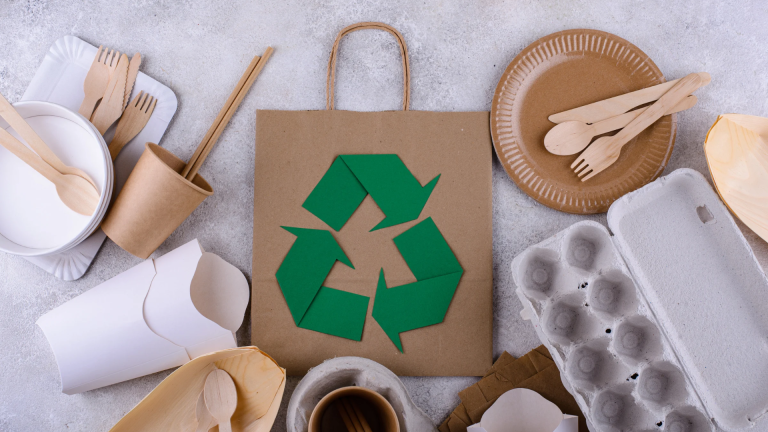
•Minimize Packaging: Choose compostable or reusable packaging and highlight this decision in your product storytelling.
•Promote Circularity: Offer repair, return, or refill programs to keep products in use longer.
•Transparent Sourcing: Share where your products come from and the environmental and ethical standards behind them.
•Educate Your Audience: Use your platforms to inform customers about sustainable choices, from waste reduction to responsible use.
•Reward Conscious Behavior: Create loyalty programs or discounts that incentivize sustainability (e.g., bringing your own container, returning used products).
Small shifts, when multiplied across communities, can lead to significant impact—and they show customers that your brand walks the talk.
Redefining Success in Marketing
Traditionally, marketing success has been tied to sales volumes. But SDG 12 challenges us to measure success by value created—not just for shareholders, but for society and the environment.
Marketing aligned with responsible production isn’t just good ethics—it’s smart business. Customers increasingly want to align with brands that reflect their values. The brands that lead with sustainability will not only future-proof their business models—they’ll build deeper, more loyal relationships with their communities.
The Future Is Circular—and So Is Marketing
Our planet cannot sustain business as usual. SDG 12 calls on all of us to rethink the way we live, shop, and grow—and marketing has a critical role to play in this transition.
By spotlighting companies like Too Good To Go and Patagonia, we see what’s possible when marketing shifts from persuasion to purpose. It’s time for all businesses—big or small—to consider how their brand stories can inspire not just consumption, but conscious contribution.
Because in a truly sustainable future, marketing doesn’t sell waste—it sells wisdom.