What Is SDG 11 and Why It Matters
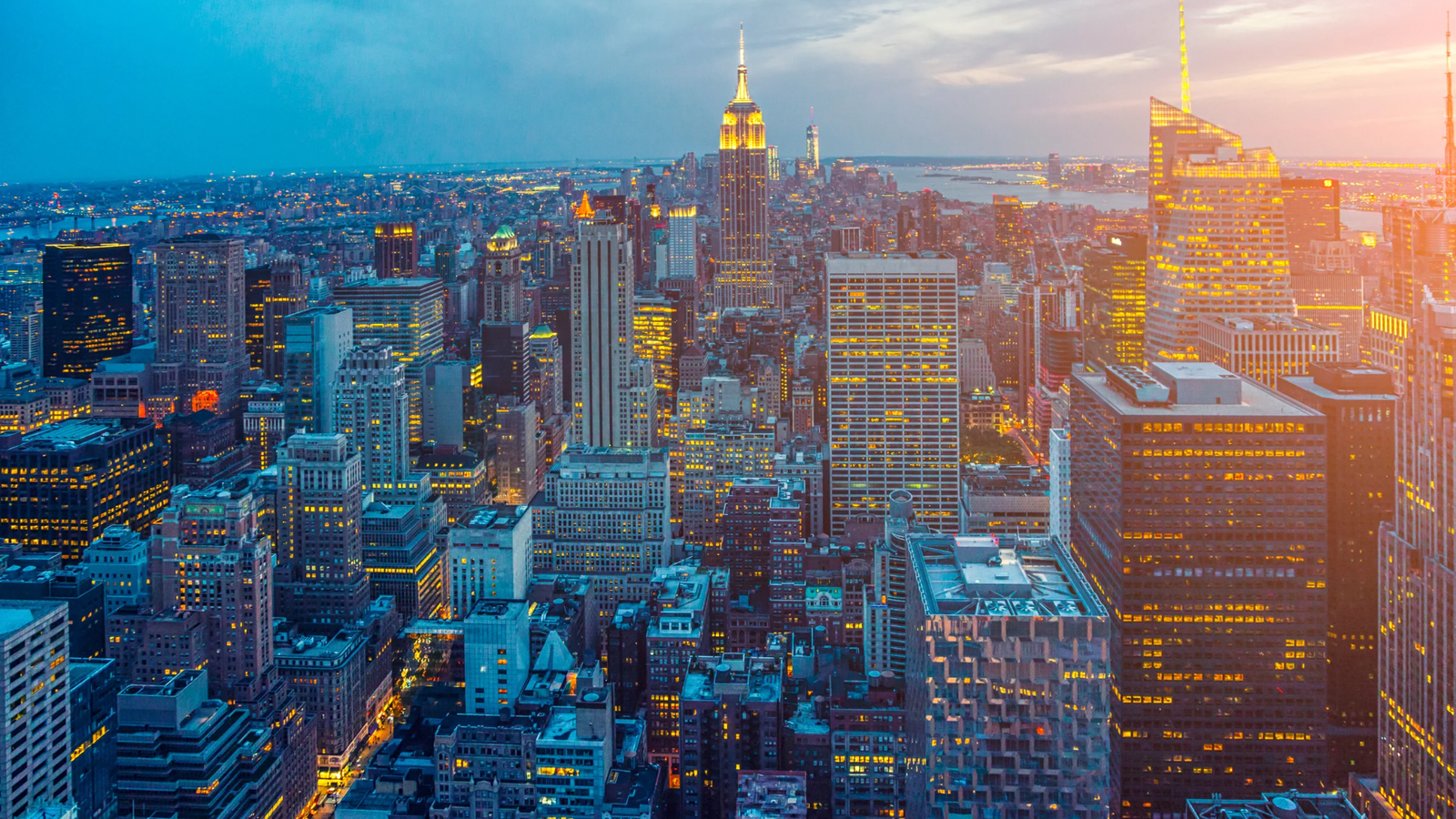
More than half of the world’s population now lives in cities, and by 2050, that number is expected to rise to two-thirds. Cities have become the heart of human activity—centers for culture, commerce, science, education, and innovation. But with rapid urbanization comes a complex set of challenges: housing shortages, overwhelmed infrastructure, environmental degradation, and social inequality. That’s why Sustainable Development Goal 11 (SDG 11) is more relevant than ever.
This blog explores the importance of SDG 11, how marketing can drive change, and what businesses—big and small—can do to support inclusive, safe, resilient, and sustainable cities.
Quick Overview: SDG 11 – Sustainable Cities and Communities
Goal: Make cities and human settlements inclusive, safe, resilient, and sustainable.
Urban areas already generate more than 70% of global GDP, demonstrating their importance to the global economy. But economic growth alone doesn’t ensure livability. SDG 11 highlights the need for adequate housing, sustainable transport, clean water and sanitation, waste management, disaster risk reduction, and public access to green spaces. The goal also promotes inclusive planning and development, recognizing the role of local authorities and communities in shaping the cities of tomorrow.
SDG 11 links closely with other global priorities—including clean energy (SDG 7), decent work (SDG 8), and climate action (SDG 13)—underlining that sustainable urban development is foundational to broader societal progress.
Marketing as a Force for Change
Marketing isn’t just about selling products—it’s about telling stories, building connections, and influencing behavior. When brands align their marketing efforts with urban sustainability goals, they can do more than raise awareness—they can mobilize communities, shift lifestyles, and encourage systems-level change.
The way a city is marketed matters. Whether it’s through campaigns that promote public transportation, smart technology for resource efficiency, or community-led initiatives in underdeveloped neighborhoods, marketing has the power to reimagine what city living should look like.
Businesses that embrace SDG 11 in their branding and messaging show customers they care about more than profit—they care about people and the planet, too.
Real-World Examples
1. Toyota Woven City: Building a Living Urban Laboratory
In Japan, Toyota is building Woven City, a prototype city at the foot of Mount Fuji designed to serve as a testbed for future urban living. The city will integrate hydrogen-powered infrastructure, autonomous vehicles, AI, and smart home technology—all while being centered around people, sustainability, and well-being.
What makes Woven City unique is Toyota’s vision of it as a “living laboratory”—a space where companies and researchers can experiment with technology in a real-world setting. Toyota is not just investing in innovation; they are actively marketing a vision of the future where cities prioritize low carbon living, efficient mobility, and connected communities. This project is an example of how urban sustainability can be a core marketing message that drives both purpose and innovation.
2. IKEA: Making Sustainable Urban Living Accessible
IKEA is widely known for affordable home furnishings, but behind the flat-packed furniture is a deep commitment to sustainability and city-friendly design. IKEA’s urban housing initiatives, particularly in Europe, are focused on building affordable, modular homes using sustainable materials. They collaborate with developers to create communities that are energy-efficient, accessible by public transport, and close to essential services.
In its marketing, IKEA doesn’t just sell furniture—it tells stories about real people building better lives in smaller, smarter, more sustainable spaces. From showcasing eco-living in tight city apartments to promoting circular design through buy-back programs, IKEA uses its brand power to influence how people think about consumption and urban life.

What Can Small Businesses Do?
You don’t need the budget of Toyota or IKEA to contribute to SDG 11. Small businesses can play a powerful role in making cities more sustainable:
•Eco-Friendly Operations: Implement recycling, water-saving, or energy-efficient practices in your storefront or office.
•Community Engagement: Partner with local governments or NGOs to support urban gardens, public clean-ups, or neighborhood improvement projects.
•Inclusive Design: Make your physical and digital spaces accessible to people with disabilities or underserved populations.
•Sustainable Products: Offer or promote products that help city dwellers reduce waste, conserve resources, or live more mindfully.
•Share Knowledge: Use your marketing channels to raise awareness about local urban issues and solutions.
By focusing on community impact and sustainability, small businesses can attract loyal customers who care about where and how they live.
Redefining Success in Marketing
Success in urban-focused marketing is no longer about volume—it’s about value. Brands that embrace SDG 11 understand that the future of business is tied to the future of cities. Marketing strategies that center human well-being, climate resilience, and equitable development will not only stand out—they’ll lead the way.
As cities grow, so too must our vision for them. We must shift from marketing lifestyles of excess to promoting urban experiences grounded in sustainability, community, and care.
Marketing for the Cities We Deserve
Cities are the future—and how we shape that future depends on all of us. Businesses have the creativity, reach, and resources to influence how cities evolve. Whether it’s through bold innovations like Toyota’s Woven City, accessible solutions like IKEA’s sustainable housing, or small business initiatives that enrich neighborhoods, marketing is a key tool in building inclusive, resilient, and sustainable urban spaces.
SDG 11 reminds us that better cities are possible—and marketing can help make that vision real.