What Is SDG 13 and Why It Matters
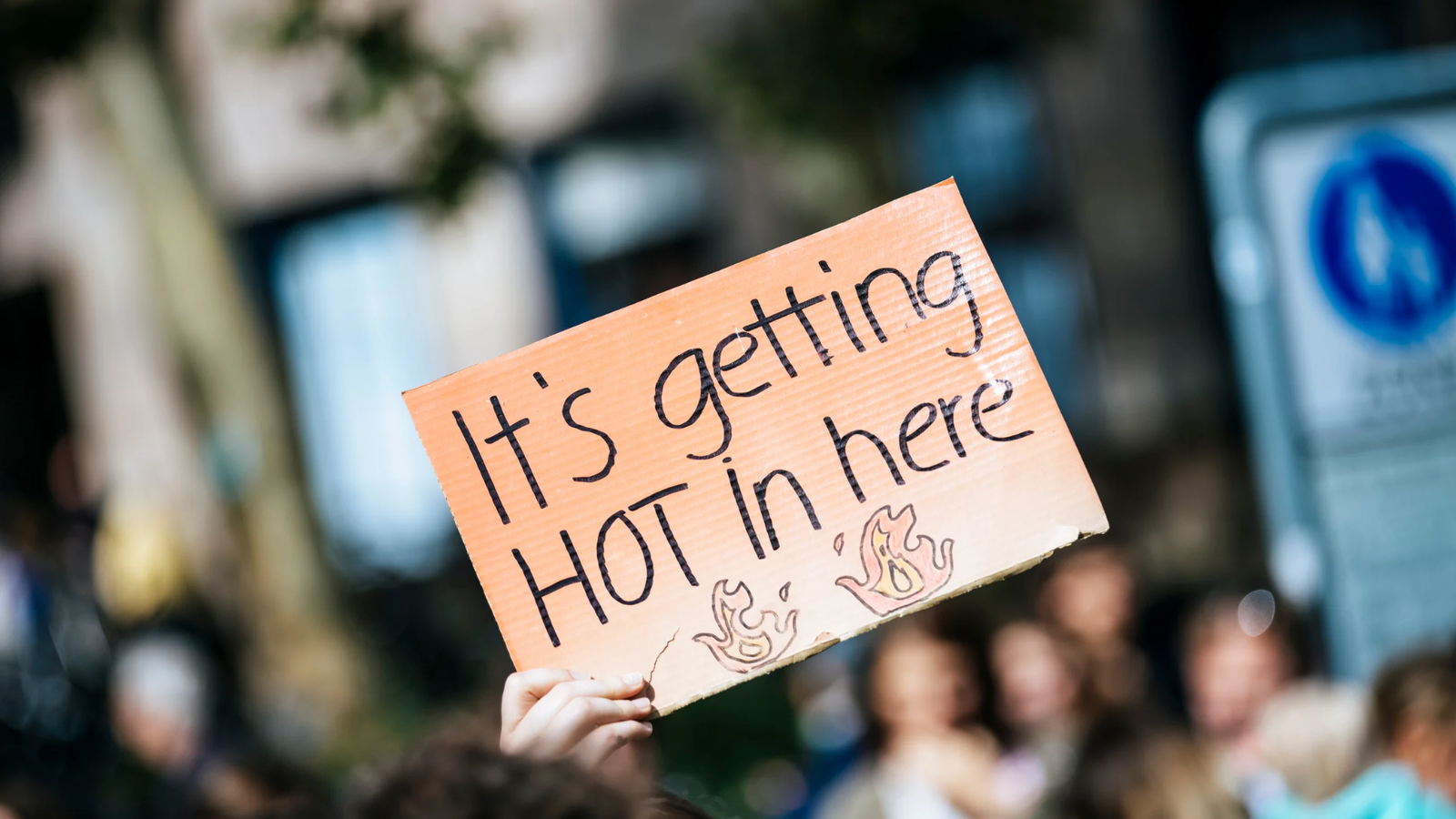
We are living through the hottest decade in recorded history. Climate disasters are becoming the norm, and we are rapidly approaching a point of no return. The science is urgent, and the message is clear: we need collective action—and we need it now.
Sustainable Development Goal 13 (SDG 13) calls on everyone—from policymakers to businesses—to take urgent action to combat climate change and its impacts. For marketers, this is more than just a chance to shift consumer trends—it’s a call to reshape culture, influence behavior, and tell stories that drive a climate-resilient future.
Quick Overview: SDG 13 – Climate Action
Goal: Take urgent action to combat climate change and its impacts.
The Paris Agreement set the tone by committing countries to limit global warming to well below 2°C—ideally 1.5°C—above pre-industrial levels. But the responsibility doesn’t lie with governments alone. The private sector, including marketers and creatives, has a pivotal role to play in shifting the narrative around sustainability and helping society embrace new, climate-conscious norms.
The key is to drive actionable change, not just awareness.
Marketing as a Force for Change
Marketing influences how people see the world—and what they choose to care about. That power, when directed toward climate action, becomes a tool not just for selling, but for mobilizing.
Through campaigns that promote low-carbon products, encourage sustainable behaviors, and educate communities on climate solutions, marketing can reshape consumer values and accelerate climate adaptation. It’s not just about green products—it’s about green storytelling that builds trust, awareness, and collective momentum.
Brands can’t afford to stay neutral on the climate crisis. The future of business depends on the future of the planet.
Real-World Examples
1. Notpla: Packaging the Future
Notpla is a London-based startup tackling one of the biggest environmental challenges—plastic pollution. Their innovation? Edible and biodegradable packaging made from seaweed and plants. Notpla’s materials decompose in weeks and require far less energy to produce than conventional plastic.
But Notpla doesn’t just innovate—they communicate. Their marketing boldly redefines what packaging can be, with visuals and messaging that make seaweed look futuristic, beautiful, and even fun. Instead of guilt-driven climate messaging, Notpla taps into hope, creativity, and progress—showing consumers that better choices aren’t just necessary—they’re exciting.
Their campaign during the London Marathon, where thousands of runners received drinks in edible pods instead of plastic cups, became a viral moment that blended innovation, marketing, and environmental action. Notpla proves that when sustainability is at the heart of your product and your storytelling, climate action becomes a brand asset.
2. Ørsted: From Fossil Fuels to Global Clean Energy Leader
Ørsted, once one of Europe’s most coal-intensive energy companies, has transformed into one of the world’s largest renewable energy firms. And their rebrand wasn’t just operational—it was strategic and marketing-led.
Ørsted’s climate storytelling has been key to repositioning the brand as a global leader in wind energy and clean innovation. Their campaigns focus on urgency paired with optimism—emphasizing how renewable energy isn’t just the ethical choice, but also the most viable and competitive one.
By transparently sharing their transition journey and highlighting measurable impact, Ørsted has built trust with investors, governments, and consumers. Their shift shows that climate leadership can be marketed, and that purpose and profit can align when storytelling centers on long-term vision.

What Can Small Businesses Do?
You don’t need a global R&D budget to take climate action. Here’s how small businesses can integrate SDG 13 into their marketing and operations:
•Offset Emissions Transparently: Partner with verified carbon offset projects and communicate clearly how and why you’re doing it.
•Promote Low-Impact Alternatives: Highlight eco-friendly materials, production practices, or shipping methods in your messaging.
•Educate Through Content: Use blogs, videos, or newsletters to inform your audience about climate issues related to your industry.
•Be Honest: Authentic storytelling about your climate journey—even if you’re just starting—builds credibility and invites community support.
•Collaborate for Impact: Partner with local climate action groups or NGOs, and involve customers through co-branded campaigns or donations.
In marketing, consistency builds trust—so make sure your climate claims are backed by action, not just aesthetics.
Redefining Success in Marketing
Traditional marketing has been about growth at any cost. But in the era of climate breakdown, success must be redefined. The next generation of marketing leaders will be those who can measure impact not only by ROI, but by carbon saved, resources reused, and communities empowered.
When marketing becomes a platform for climate action, it stops being a tool of persuasion and becomes a tool of transformation.
Market the Change You Wish to See
Climate change is no longer a distant threat—it’s here. And while the challenge is immense, so is the opportunity. SDG 13 reminds us that action must be immediate, bold, and shared across sectors.
Brands like Notpla and Ørsted show us what’s possible when sustainability and storytelling work hand in hand. Now, it’s up to all of us—especially marketers—to use our platforms, our voices, and our creativity to shift culture, inspire resilience, and push the climate movement forward.
Because in the fight for a livable future, good marketing isn’t just clever—it’s climate-literate.