What Is SDG 4 and Why It Matters
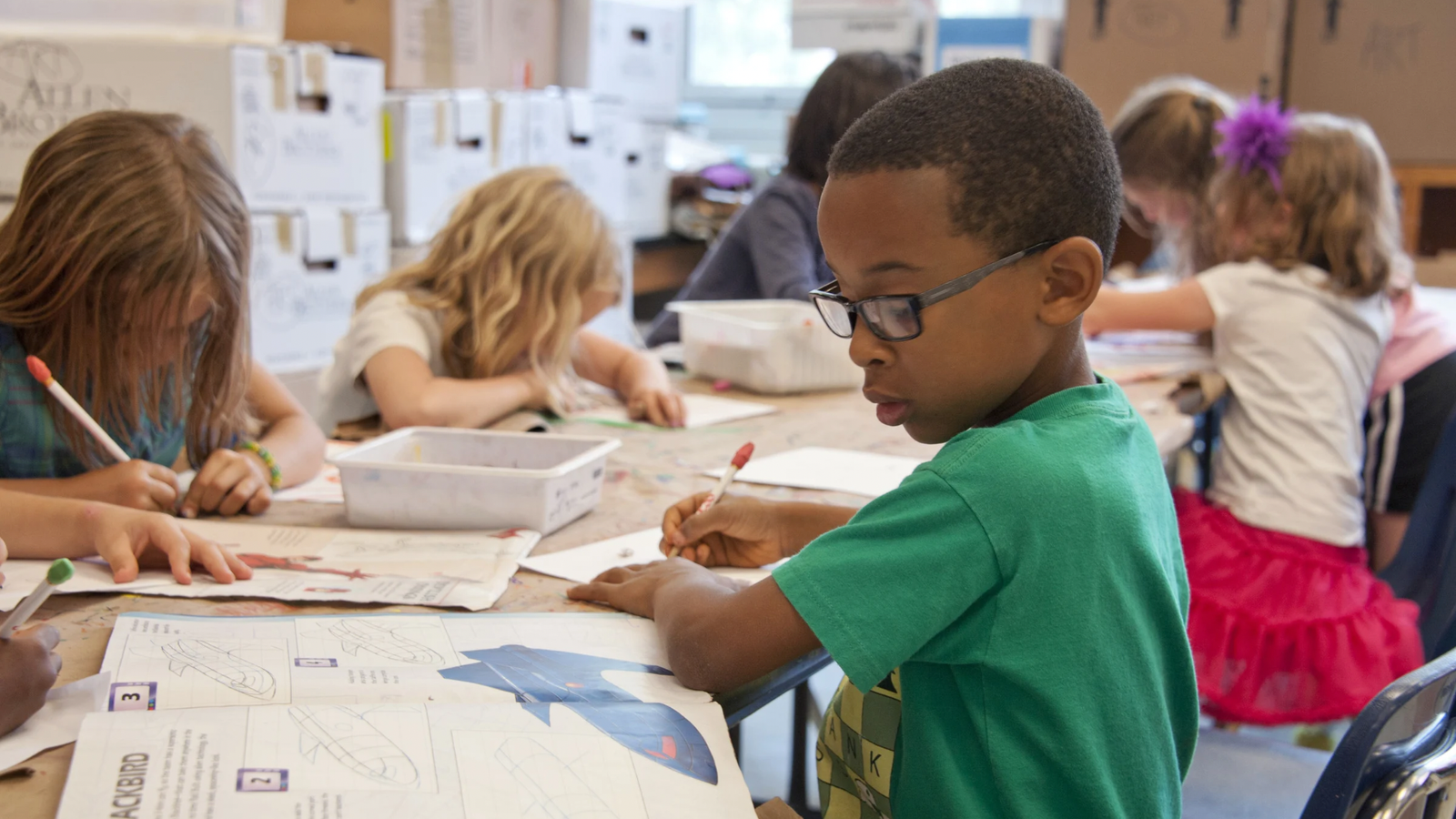
The fourth Sustainable Development Goal—Quality Education—is more than access to schools. It’s about unlocking potential, closing opportunity gaps, and empowering people everywhere to thrive with the knowledge, skills, and confidence to shape a better future.
SDG 4’s mission is clear: “Ensure inclusive and equitable quality education and promote lifelong learning opportunities for all.” But the path to that future isn’t paved with formal classrooms alone—it’s built on flexible, inclusive systems that meet people where they are.
At Alcor Media, we see education as a powerful disruptor. One that shifts mindsets, builds resilience, and opens doors. In an age where attention spans are short and information overload is real, accessible education is not only a right—it’s a responsibility.

Let’s Start With the Basics: A Quick Overview of SDG 4
• Goal: Ensure inclusive, equitable, and quality education and promote lifelong learning opportunities for all.
•Focus Areas: Early childhood education, universal primary/secondary schooling, lifelong learning, gender equity, vocational skills, and Education for Sustainable Development (ESD).
•Why It Matters: Without quality education, we can’t build sustainable communities, reduce poverty, tackle climate change, or grow ethical economies.
Beyond the Classroom: Education as Empowerment
SDG 4 isn’t just about schools—it’s about equipping every person, regardless of age or background, with the knowledge to navigate a rapidly changing world.
1. What Is ESD and Why Is It Transformational?
Education for Sustainable Development (ESD) empowers learners to act for sustainability—for the health of our planet, our communities, and future generations. It’s about cultivating values, not just passing exams. Systems thinking, critical thinking, collaboration, and civic engagement—these are the new core subjects.
Real-World Example:
The Muscat Agreement and Rio+20’s Future We Want both stress ESD as essential for shaping a more equitable world. ESD is about integrating sustainability into everything—from what we learn to how we learn it.
2. Microlearning and Digital Tools Are Changing the Game
Learning doesn’t stop with school—and thanks to digital innovation, it doesn’t need to. People around the world are turning to microlearning platforms that offer skills development in bite-sized, accessible formats.
Real-World Example:
Duolingo is a free, gamified app that’s transforming global access to language education. With over 500 million users worldwide, it breaks down traditional barriers—like tuition, location, or age—and proves that learning can be flexible, joyful, and global. By using science-backed methods and fun, community-based learning, Duolingo is redefining what equitable education looks like in a digital age.
It’s not just about learning a language—it’s about building bridges across cultures, communities, and economies.
3. Higher Education as a Catalyst for Local and Global Action
Higher education isn’t just for credentials—it’s a launchpad for systemic change.
Real-World Example:
The Higher Education Sustainability Initiative (HESI), backed by the UN, brings together over 300 universities around the world committed to embedding sustainability into research, curriculum, and campus operations. It reflects the power of collective academic action toward sustainable development.
4. Alcor’s Role: Education-Driven Marketing for Change-Makers
At Alcor, we believe marketing isn’t just about selling—it’s about educating. We help ethical businesses, nonprofits, and purpose-led creators share knowledge that empowers. From workshops to explainer reels to downloadable resources, we turn brands into trusted learning platforms.
If your mission includes education, we’ll amplify it—strategically, accessibly, and impactfully.

What Can Small Businesses and Creators Do Today?
Education doesn’t require a school board or a grant. Here’s how you can integrate it into your everyday operations:
•Create how-to content or mini courses around your niche.
•Host community learning events—virtually or in person.
•Partner with educators or youth orgs to co-develop content.
•Celebrate learning as a lifestyle—use your brand to champion curiosity and growth.
Learning Is the Lifeline of a Better Future
Knowledge is one of the few resources that grows the more it’s shared. Whether it’s a rural child learning math, a refugee picking up a new language on their phone, or a small business owner mastering social media—education is transformation in action.
To achieve SDG 4, we must reimagine education as a lifelong, community-rooted, tech-enabled experience—one that prioritizes equity, relevance, and joy.
And most importantly, we must remember: in the fight for a better future, a well-informed mind is our most sustainable asset.