What Is SDG 6 and Why It Matters
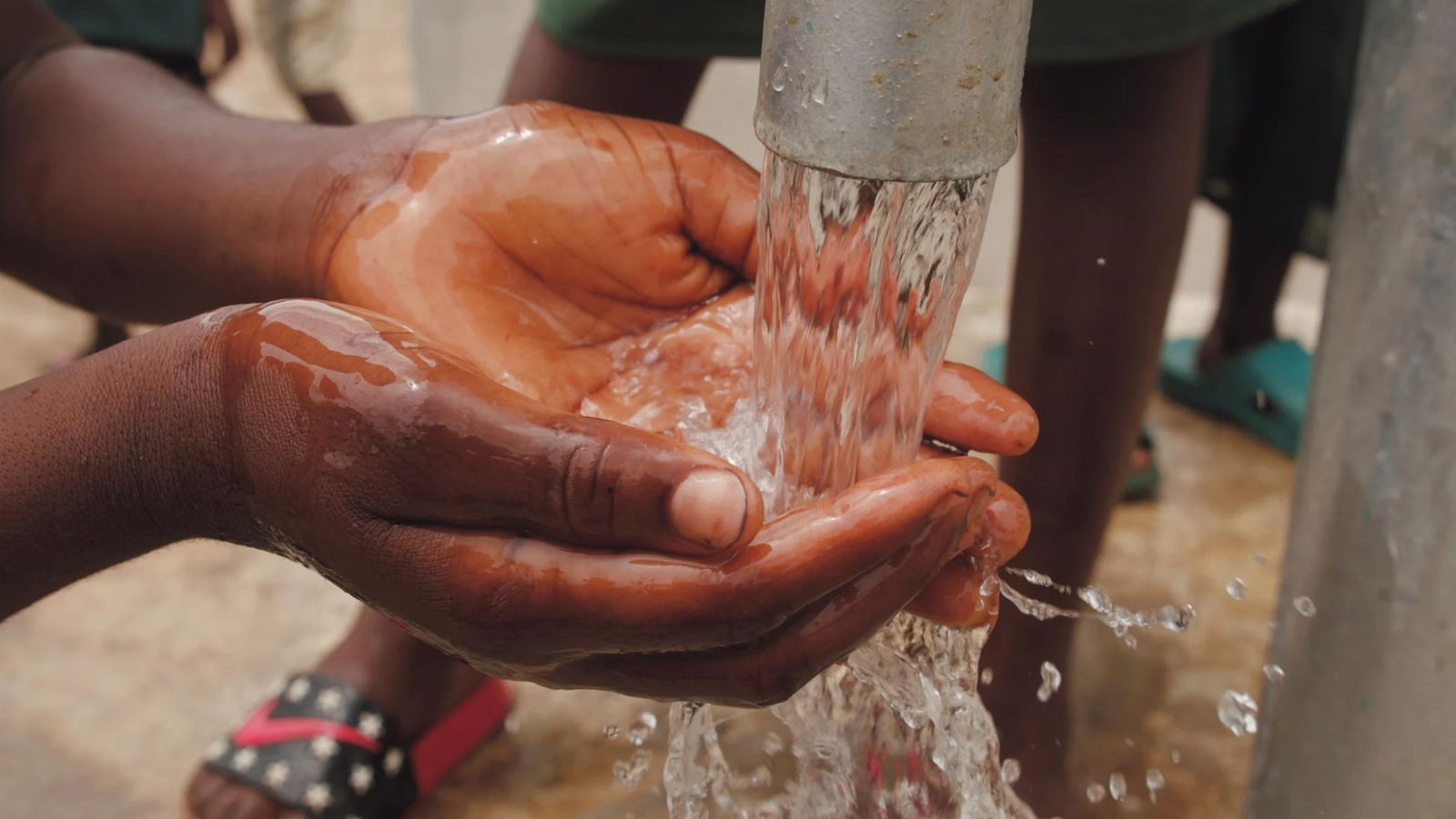
Water sustains life—and yet, for billions, safe water and sanitation remain out of reach.
Sustainable Development Goal 6 aims to “ensure availability and sustainable management of water and sanitation for all.” But we’re not there yet. Pollution, overuse, climate change, and inadequate infrastructure have created a growing global water crisis.
Today, 2.2 billion people lack safely managed drinking water. Over 4.2 billion people don’t have access to safely managed sanitation. The COVID-19 pandemic only widened these inequalities—highlighting how urgent and interconnected access to water, health, and dignity really is.
At Alcor, we believe that access to clean water is not only a human right—it’s also a design challenge, a business responsibility, and a catalyst for change.
What Is SDG 6? A Quick Overview
•Goal: Ensure availability and sustainable management of water and sanitation for all.
•Focus Areas: Universal access, water quality, ecosystem protection, efficient use, and global cooperation.
•Why It Matters: Water is foundational to poverty reduction, health, climate resilience, and economic justice.
A Global Priority, Decades in the Making
Water access isn’t a new concern—it’s been a core focus for decades:
•1977: The Mar del Plata Conference declares access to drinking water a universal right.
•1993: World Water Day is established on March 22.
•2000–2015: The Millennium Development Goals cut in half the proportion of people without safe drinking water.
•2010: The UN formally recognizes the right to water and sanitation.
•2020: The SDG 6 Global Acceleration Framework is launched to fast-track change.
These milestones show commitment—but the results haven’t kept up with the promise. Now is the time to act.
Water in Crisis: The Present Landscape
Here’s where we are today:
•80% of wastewater is returned to the environment untreated.
•70% of wetlands—essential ecosystems—have been lost.
•Floods, droughts, and climate shocks are worsening water access globally.
•In many regions, women and girls walk hours daily just to fetch water, limiting education and economic opportunity.
This isn’t just a crisis—it’s a call to reimagine how we value, manage, and share the world’s most essential resource.
Real-World Action: How Businesses Are Contributing to SDG 6
1. Levi’s – Changing the Fabric of Water Use
As one of the world’s most iconic denim brands, Levi Strauss & Co. recognized its responsibility to reduce water use in both manufacturing and design. Through its Water<Less™ initiative, Levi’s has saved over 4.2 billion liters of water and recycled an additional 10 billion liters since 2011.
Instead of washing denim multiple times during production, Water<Less™ techniques reduce or eliminate water from finishing processes entirely. And Levi’s didn’t stop there—they open-sourced the method so other manufacturers could follow suit.
Their message: water sustainability isn’t a trade secret—it’s a shared responsibility.
2. Xylem – Powering Water Technology for Communities
Xylem, a water tech company, designs systems that help cities, businesses, and schools manage water sustainably. Through their Watermark program, Xylem partners with nonprofits to deliver portable purification systems, support climate-resilient infrastructure, and run hygiene education campaigns in vulnerable communities.
By combining innovation with equity, they’re proving that technology and compassion can co-create impact—especially in underserved or climate-affected regions.

What You Can Do: Action Starts Here
Whether you’re a creator, a business, or a student, here’s how you can contribute to SDG 6:
1. Know your water footprint: Audit how your home or workplace uses and wastes water.
2. Support conscious brands: Choose products made with water-reducing or recycling practices.
3. Design for impact: Whether building a product, campaign, or service—ask how it affects or supports water equity.
4. Use your platform: Share resources and elevate organizations fighting for clean water access.
5. Invest locally: Support community water conservation or sanitation efforts—where change begins.
Alcor’s Role: Telling the Stories that Move Water Forward
At Alcor Media, we believe marketing can be a force for sustainability. We support brands that champion water justice, integrate purpose into their business models, and invest in clean water initiatives through their CSR strategies.
Our work turns data into stories, stories into movements, and movements into measurable impact—because storytelling should do more than inspire. It should mobilize.
The Future Flows from Us All
The truth is simple: every drop counts. Whether it’s in a product, a policy, or a platform—we all have the power to protect and provide.
SDG 6 is more than a goal—it’s a lifeline for people and planet. When we design, lead, and live with water equity in mind, we unlock ripple effects that touch health, climate, gender equality, education, and beyond.
Let’s turn every idea, every campaign, and every brand into a vessel for change.
Because in the future we believe in—water flows freely, sustainably, and justly for all.